Reviewing Quirky Christmas Dogs Clipart for Stitchers
As a designer who has spent countless hours digitizing and testing machine embroidery design files, I have learned that not every cute graphic translates well to thread. When I first pulled up the Quirky Christmas Dogs Clipart, my initial reaction was one of cautious optimism. The charm is undeniable, but charm alone does not make a viable embroidery project. I needed to know if these playful lines would hold up under the needle, especially when applied to real-world items like holiday gifts or boutique merchandise. This review breaks down how this specific set of Illustrations performs when moved from a digital screen to fabric.
First Impressions: Mood and Visual Personality
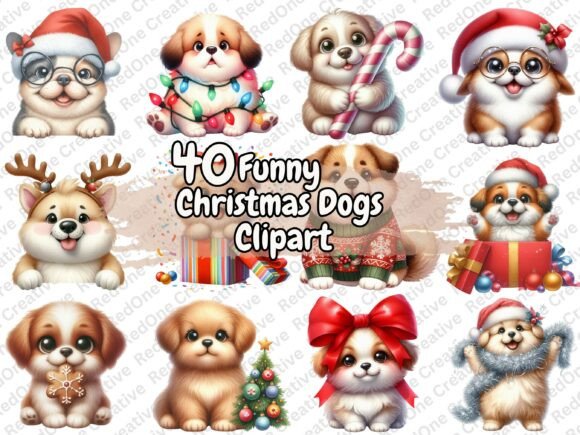
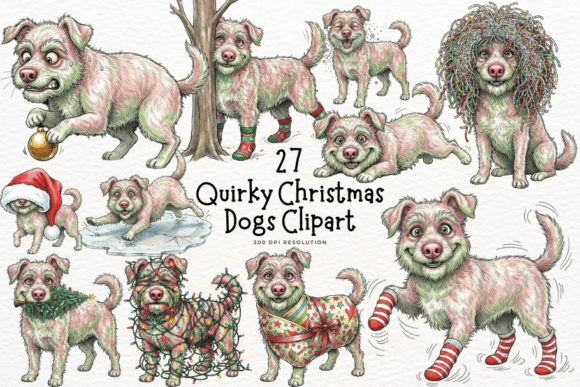
The immediate mood created by the Quirky Christmas Dogs Clipart is lighthearted and whimsical. It avoids the stiff, formal look of traditional holiday motifs, opting instead for a loose, hand-drawn aesthetic. For an embroidery designer, this is a double-edged sword. Loose lines can look incredibly organic and high-end when stitched correctly, but they can also look messy if the stitch density is too low or the thread colors lack contrast. The visual personality suggests movement and fun, making it ideal for products that aim to evoke nostalgia or joy rather than formal elegance.
When evaluating the layout, I noticed the shapes are relatively open. This is crucial for embroidery because dense, closed shapes often cause fabric puckering. The quirky nature of the dogs means there are likely irregular contours. In a digital embroidery file, these contours need to be smoothed out slightly to prevent thread breaks, but not so much that the character is lost. The detail level appears moderate, which is a sweet spot for most home embroidery machines and commercial multi-needle setups.
Real-World Application: From Screen to Stitch
To truly test the viability of this design, I imagined a specific scenario: creating a custom tote bag design for a local coffee shop’s holiday promotion. The goal was a handmade product that felt personal and festive without being overly childish. I placed the largest dog motif from the clipart set on a canvas tote. Because canvas has a distinct fabric texture, the design needed enough weight to stand out. If the original clipart relies on very thin lines, they might disappear into the weave. However, if the digitized version uses a combination of satin stitch for outlines and fill stitch for larger areas, it creates a beautiful tactile contrast.
Beyond tote bags, this design shines in custom apparel. Imagine a sweatshirt embroidery project where the quirky dog is placed on the left chest. The scale here is critical. A design that looks perfect at six inches wide might become a cluttered mess at two inches. For smaller placements, the simpler elements of the Quirky Christmas Dogs Clipart work best. They maintain their recognizability even when reduced, which is essential for personalized gift items like baby onesies or pocket details on adult hoodies.
For Etsy sellers and small shop owners, versatility is key. This clipart set could easily be adapted into an embroidered patch. Patches require high-density stitching to ensure durability during washing and wear. If the design includes fine details, they must be converted to thicker strokes or removed entirely. The playful theme fits perfectly with the current trend of ironic or cute pet-themed accessories, making it a strong candidate for small shop product lines.
Navigating Technical Challenges
While the aesthetic is appealing, there are areas where caution is necessary. One major consideration is the hoop size. If you are working with a 4x4 inch hoop, you may need to isolate individual dogs or elements rather than attempting to stitch a complex scene. Trying to cram too much detail into a small hoop leads to compromised quality and potential machine errors.
Fabric texture and type also play a massive role. On stretchy fabrics like jersey knits used for t-shirts, a design with high stitch density can cause the garment to warp. Using a proper stabilizer is non-negotiable here. For dark fabrics, the color palette of the clipart must be adjusted. If the original illustration uses light pastels, they may not pop against navy or black fleece. In such cases, adding a white underlay or choosing high-contrast thread colors ensures the design remains visible and crisp.
Curved surfaces, such as caps, present another challenge. The Quirky Christmas Dogs Clipart likely features horizontal elements that do not wrap well around the curve of a baseball cap. For headwear, it is better to select vertical or compact elements from the set. Additionally, tiny lettering or intricate facial features on the dogs might blur if the needle size is too large or if the thread tension is not perfectly calibrated. Always inspect small details closely before committing to a final run.
Impact on Brand and Customer Perception
Using high-quality, well-digitized designs directly impacts customer trust. A sloppy stitch-out suggests a lack of professionalism, while a clean, crisp embroidery job elevates the perceived value of the finished product. The quirky nature of these dogs can help build brand consistency for businesses that focus on fun, approachable, and family-friendly values. It signals to the buyer that the creator pays attention to trends and enjoys injecting personality into their work.
For commercial embroidery projects, such as corporate holiday gifts, the tone must be appropriate. While these dogs are charming, they may not suit a conservative corporate environment. However, for creative entrepreneurs, boutique branding, or holiday embroidery collections aimed at families, they are perfect. They enhance giftability, making the item feel special and unique rather than mass-produced.
Practical Notes for Designers and Makers
Before launching into production, there are several steps every designer should take. First, always test the design on scrap fabric that matches your final material. This allows you to check thread tension and color contrast without risking expensive goods. Second, review the digital embroidery file settings. Check if the design is optimized for your specific machine type. Some files are optimized for single-needle home machines, while others are built for multi-needle commercial units.
- Test the design on both light and dark fabric backgrounds to ensure visibility.
- Verify the license terms. Ensure you have the right to use the design assets for commercial sales if you plan to sell finished items.
- Create a printable mockup to visualize the placement on different products before stitching.
- Check for any overlapping stitches that could cause thread bunching.
- Consider using an applique design technique if the original clipart has large solid areas, as this reduces stitch count and bulk.
Finally, remember that the success of the project depends on the synergy between the design and the execution. The Quirky Christmas Dogs Clipart offers a wonderful foundation, but it is the designer’s skill in selecting the right threads, stabilizers, and fabrics that brings it to life. Whether you are creating a baby embroidery piece for a newborn or a festive apron for a holiday party, taking the time to refine the technical aspects will result in a superior product.
In conclusion, this clipart set holds significant potential for makers who understand the nuances of embroidery. It is not just a cute image; it is a tool for creating engaging, marketable, and heartfelt items. By respecting the technical limitations and leveraging the design’s playful strengths, you can produce work that stands out in a crowded marketplace. Always prioritize quality control, and let the quirky charm of the dogs shine through precise, thoughtful stitching.