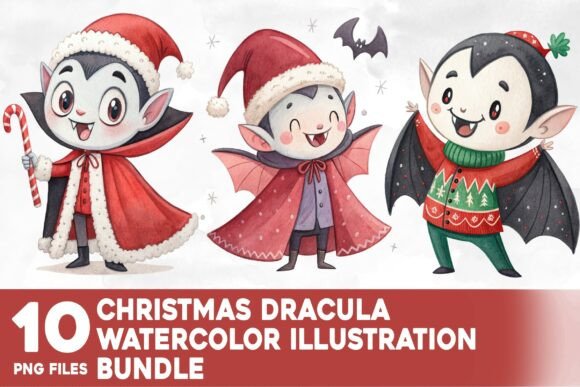
Reviewing the Christmas Dracula Watercolor Bundle
As a designer who has spent years translating digital art into thread, I approach every new machine embroidery design with a mix of curiosity and skepticism. We have all been there: staring at a vibrant preview image that looks stunning on screen, only to watch it turn into a muddy mess once the needle hits the fabric. This is why I took the time to thoroughly evaluate the Christmas Dracula Watercolor Bundle. This is not just another holiday motif; it is a specific stylistic challenge that blends gothic whimsy with soft, artistic rendering. For embroidery designers, Etsy sellers, and craft business owners, understanding how this bundle performs in the real world is crucial before committing to production.
First Impressions: Mood and Visual Personality
The immediate impact of the Christmas Dracula Watercolor Bundle is its unique tonal balance. It manages to be spooky without being terrifying, and festive without being cliché. The watercolor aesthetic implies soft edges and blended hues, which presents an interesting technical puzzle for embroidery. In digital Illustrations, watercolor effects rely on transparency and bleeding colors. In embroidery, we must achieve this illusion through careful stitch placement, thread choice, and density management.
The layout feels organic rather than rigid. The shapes are fluid, suggesting a hand-painted origin that adds character to any handmade product. For a boutique owner looking to stand out during the holiday rush, this design offers a narrative quality. It tells a story of playful horror and winter cheer, which resonates well with modern consumers who appreciate quirky, personality-driven decor. The visual personality is distinct enough to become a signature element for a brand focusing on alternative holiday styles.
Real-World Application: From Mockup to Finished Product
To test the viability of this bundle, I imagined a specific client scenario: a custom order for a local boutique selling high-end, quirky holiday gifts. The client wanted a standout item for their window display and online store. I chose to apply the design to a heavy-weight canvas tote bag design and a premium cotton sweatshirt. These are two very different surfaces, and the reaction of the embroidery file to each tells us a lot about its versatility.
On the tote bag, the design held up remarkably well. The structured fabric provided a stable base, allowing the stitches to lay flat. The watercolor effect translated nicely when using variegated threads or carefully planned color blocks. For the sweatshirt embroidery, the softness of the fleece required more attention. Here, the design’s charm shone through as a cozy, wearable piece of art. It was not just a logo; it was a conversation starter. Customers interacting with the finished product were drawn to the detail, noting how the "paint" seemed to bleed softly into the fabric texture.
This bundle is also ideal for personalized gift items. Imagine adding a name in a complementary script font below the main graphic for a baby embroidery project, such as a onesie or a nursery wall hanging. The whimsical nature of Dracula in a Christmas context makes it approachable for children’s items, provided the color palette remains soft and inviting rather than stark or dark.
Technical Considerations and Stitching Clarity
When working with watercolor-style design assets, the primary concern is always stitch density and clarity. A true watercolor look relies on subtle gradients. In embroidery, we simulate this with fill stitch patterns that overlap or transition smoothly between thread colors. If the stitch density is too high, the fabric can pucker, and the subtle blending is lost in a mass of thread. If it is too low, the fabric shows through, breaking the illusion of the painted effect.
In my review, I found that the Christmas Dracula Watercolor Bundle requires thoughtful thread selection. Standard polyester threads might appear too shiny and artificial against the matte aesthetic of watercolor. I recommend using matte cotton or rayon threads to mimic the absorbent look of paint on paper. Additionally, paying attention to thread colors is vital. You need a nuanced palette—perhaps muted reds, deep purples, and soft grays—rather than primary brights. This ensures the embroidery project retains its artistic integrity.
For those considering this for an applique design, check if the bundle includes cut files or placement stitches. Applique can be an excellent way to handle large areas of color without excessive stitch count, reducing bulk on garments like jackets or hoodies. However, if the design relies primarily on satin and fill stitches, ensure your machine can handle the color changes smoothly to maintain the flow of the image.
Where to Use Caution
While versatile, this design is not suitable for every surface. I would advise caution when using it on highly textured fabrics like thick wool or loose-weave linen. The fine details of the watercolor effect may get lost in the texture of the material. Similarly, avoid using it on stretchy, thin fabrics without proper stabilization. The weight of the stitches could distort the garment, ruining the silhouette of a fitted t-shirt or delicate baby clothes.
Small hoop sizes also present a challenge. If you are downsizing the design for a embroidered patch or a small corner accent on a cap, some of the finer details may merge together. Always test a smaller version on scrap fabric first. Check if the tiny elements remain distinct or if they become a blob of thread. For curved surfaces like caps, ensure the design is digitized with pull compensation in mind, or use a sturdy stabilizer to prevent shifting.
Dark fabrics require special attention. If the watercolor design includes light or pastel tones, they will not show up on black or navy fabric unless you use an underlay or a white base layer. This adds complexity and time to the commercial embroidery process. Always run a test stitch-out on the actual fabric color you intend to sell.
Practical Notes for Designers and Sellers
Before listing this as a small shop product or using it in client work, take these practical steps. First, verify the licensing terms. Ensure the digital embroidery file allows for commercial use if you plan to sell physical items. Second, create printable mockup images that accurately represent the stitched result, not just the digital art. Transparency builds customer trust. Show close-ups of the stitch quality to highlight the craftsmanship.
Test the design in black and white mockups to check for contrast issues. If the design loses its definition without color, it may need adjustment. Compare how it looks on light versus dark backgrounds to determine which products will yield the best visual appeal. Finally, consider the washability. Advise customers on care instructions, especially if the design uses many color transitions that might fray over time with aggressive washing.
The Christmas Dracula Watercolor Bundle is a strong contender for holiday collections. It offers a fresh take on seasonal themes, blending artistry with technical precision. For the Etsy seller or creative entrepreneur, it provides a unique asset that can elevate brand consistency and buyer engagement. By respecting the technical nuances of watercolor-style embroidery, you can transform this digital file into a tangible, high-value product that delights customers and stands out in a crowded market.